Jun 12 2026
Ball Valves: Reliable Flow Control Solutions for Industrial
Tired of frequent valve breakdowns? Ordinary pipe fittings suffer leakage under high working pressure.

A double offset butterfly valve is usually sufficient for moderate to high-pressure industrial service where reliable shut-off, low operating torque, and cost efficiency are priorities. A triple offset butterfly valve becomes the better choice when the application involves high temperature, severe pressure conditions, critical isolation, frequent cycling, or a requirement for metal-to-metal sealing.
For project procurement, the upgrade matters when operating conditions make seat wear, leakage risk, or maintenance downtime more expensive than the higher initial valve cost.
The main difference is the geometry of the disc, shaft, and sealing surface.
A double offset butterfly valve uses two offsets:
The shaft is offset from the centerline of the disc.
The shaft is offset from the centerline of the valve body.
This design allows the disc to move away from the seat quickly during opening, reducing friction and wear compared with a concentric butterfly valve.
A triple offset butterfly valve adds a third offset: the sealing surfaces are machined with a conical geometry. This creates a cam-like movement, allowing the sealing surfaces to contact mainly at the final closing position.
As a result, triple offset designs significantly reduce rubbing between the seat and disc during operation.
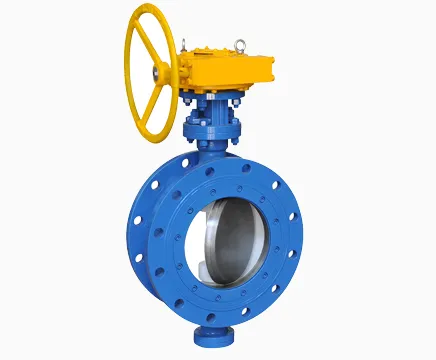
A double offset high performance butterfly valve is commonly used where higher pressure and temperature performance are required, but the application does not justify the cost of a triple offset design.
Typical applications include:
Chemical process lines
Industrial water treatment
Oil and gas utility services
Steam and moderate-temperature applications
General process isolation
The main advantage is the balance between performance and procurement cost. For many industrial systems, a double offset valve delivers sufficient sealing performance while remaining lighter, simpler, and more economical.
A triple offset butterfly valve is generally justified when the pipeline handles demanding service conditions.
Typical upgrade scenarios include:
High-temperature steam
High-pressure process lines
Hydrocarbon service
Refinery applications
Power generation systems
Critical isolation points
Applications requiring metal-seated construction
Frequent operation under severe conditions
In these environments, the reduced seat friction and metal-to-metal sealing capability can significantly improve service life and operational reliability.
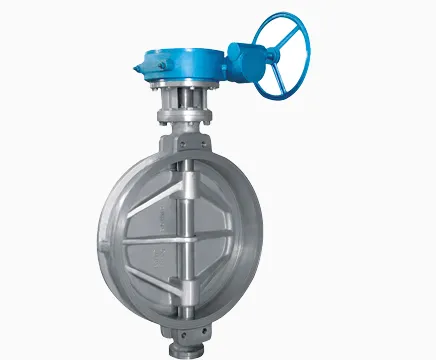
The most important triple offset butterfly valve advantages are related to sealing performance, durability, and suitability for severe service.
Because the disc does not continuously rub against the sealing surface during opening and closing, mechanical wear is minimized.
Triple offset valves can use metal seating systems that are better suited to high-temperature media than conventional resilient-seat designs.
The precision-machined sealing geometry provides reliable shut-off performance in critical industrial applications.
Reduced friction means fewer seat replacements and lower maintenance requirements, especially in frequently operated pipelines.
Triple offset valves are widely used where temperature, pressure, or media characteristics exceed the practical operating range of conventional butterfly valve designs.
No. A triple offset valve offers higher performance, but the additional engineering and manufacturing complexity increases the purchase cost.
For general industrial water, utility, or moderate process applications, a double offset butterfly valve may provide a better cost-performance ratio.
Procurement teams should avoid specifying triple offset valves simply because they are technically more advanced. The decision should be based on actual operating conditions and lifecycle requirements.
The following factors should be reviewed during valve selection:
| Selection Factor | Double Offset Butterfly Valve | Triple Offset Butterfly Valve |
|---|---|---|
| Pressure | Moderate to high | High to severe service |
| Temperature | Moderate to high | High-temperature service |
| Seat design | Soft or high-performance seat | Often metal seated |
| Operating torque | Low | Low and stable |
| Leakage control | Very good | Excellent for critical isolation |
| Maintenance | Moderate | Lower in severe service |
| Initial cost | Lower | Higher |
| Typical use | General industrial service | Critical and severe service |
For procurement, lifecycle cost is often more important than valve unit price. A more expensive triple offset valve may become more economical if it reduces shutdowns, replacement frequency, or leakage risk.
Not automatically. Leakage performance depends on the valve design, seat construction, pressure class, temperature, manufacturing tolerances, and applicable testing standard.
A triple offset design can achieve very high sealing performance, but buyers should confirm the required leakage class and testing standard before placing an order.
Important specifications may include:
API 609
API 598
ISO 5208
ASME pressure class
Fire-safe requirements
Fugitive emission requirements
These should be clearly stated in the project datasheet and purchase specification.
The upgrade from a double offset butterfly valve to a triple offset butterfly valve matters when the application becomes more demanding in terms of temperature, pressure, sealing reliability, or maintenance risk.
For standard industrial service, a double offset high performance butterfly valve often provides the best balance between cost and performance. For severe service, critical isolation, high-temperature operation, or metal-seated requirements, the triple offset butterfly valve advantages can justify the higher initial investment.
The best procurement decision comes from matching valve geometry, seat design, materials, pressure class, and leakage requirements to the real operating conditions of the pipeline.
A double offset valve reduces seat friction through two shaft and disc offsets. A triple offset valve adds a conical sealing geometry that further minimizes rubbing and supports metal-to-metal sealing.
Yes. Triple offset valves are commonly used for high-temperature steam because their metal-seated construction and low-friction sealing geometry are suitable for demanding thermal conditions.
Yes, depending on the valve design, size, pressure class, materials, and manufacturer specifications. A double offset high performance butterfly valve is commonly used in moderate to high-pressure industrial systems.
They require more complex geometry, precision machining, advanced sealing systems, and stricter manufacturing tolerances. These features increase the initial cost but can reduce lifecycle maintenance expenses.
A triple offset butterfly valve is generally preferred for critical isolation, especially when high temperature, high pressure, metal seating, or stringent leakage requirements are involved.