A full bore ball valve is preferred when maximum flow capacity, low pressure drop, and pipeline compatibility are required, while a reduced bore ball valve is often selected for applications where cost efficiency, compact design, and moderate flow performance are more important. The right choice depends on pipeline design, media characteristics, pressure loss requirements, and project operating conditions.
Understanding the difference between a full bore and reduced bore ball valve helps engineers and procurement teams select the most suitable solution for industrial pipeline systems.
What is a full bore ball valve?
A full bore ball valve has a flow passage diameter that is approximately the same as the inside diameter of the connected pipeline. When the valve is fully open, the fluid flows through with minimal restriction.
Key advantages include:
Very low pressure loss
Higher flow capacity
Reduced turbulence and erosion
Easy pipeline cleaning with pigging equipment
Suitable for demanding industrial services
Full bore designs are commonly used in oil and gas transmission, chemical processing, power generation, and other applications where maintaining pipeline efficiency is critical.
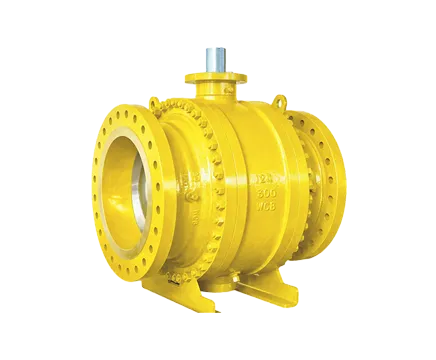
What is a reduced bore ball valve?
A reduced bore ball valve has a smaller internal flow passage compared with the pipeline diameter. The smaller bore reduces valve size, weight, and manufacturing costs while still providing reliable shut-off performance.
Common benefits include:
Lower initial investment
More compact valve design
Reduced weight for easier installation
Suitable for general industrial flow control applications
Reduced bore valves are widely used in systems where minor pressure loss is acceptable and maximum flow capacity is not the primary concern.
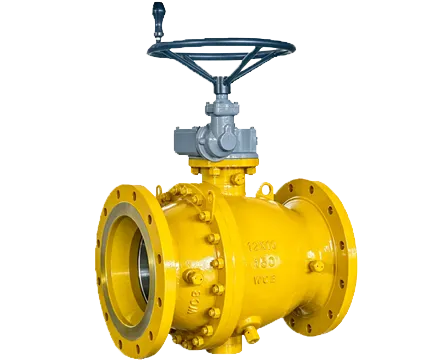
What is the difference between full bore and reduced bore ball valves?
The main difference is the internal flow passage size.
| Feature | Full Bore Ball Valve | Reduced Bore Ball Valve |
|---|
| Flow passage | Same as pipeline diameter | Smaller than pipeline diameter |
| Pressure drop | Very low | Slightly higher |
| Flow capacity | Maximum flow rate | Reduced flow capacity |
| Valve size and weight | Larger and heavier | More compact and lighter |
| Cost | Higher | More economical |
| Pigging operation | Suitable | Usually not recommended |
Choosing between these two designs depends on whether pipeline efficiency or cost optimization is the priority.
When should you use a full bore ball valve?
A full bore ball valve is recommended for applications where flow restriction must be minimized.
Typical applications include:
Long-distance pipelines
Oil and gas transportation systems
Slurry pipelines
Systems requiring pipeline pigging
High-flow industrial processes
The unrestricted passage helps reduce pressure loss and prevents excessive turbulence, improving operational efficiency and extending equipment life.
When is a reduced bore ball valve a better choice?
A reduced bore ball valve is suitable when the application does not require maximum flow capacity.
It is commonly selected for:
Utility pipelines
Water systems
General process applications
Low to medium flow requirements
Projects with strict cost considerations
In many industrial systems, the small difference in pressure drop is acceptable compared with the savings in valve cost and installation requirements.
Is a full bore valve always better than a reduced bore valve?
Not necessarily. A full bore valve provides better flow performance, but it may be unnecessary for applications where pressure loss is not a major concern.
For example, a reduced bore valve can be a practical solution for smaller process lines where lower cost, easier installation, and space efficiency are more important than maximum flow capacity.
The correct selection should consider:
What is a full bore safety valve and how is it different?
A full bore safety valve is designed with an unrestricted flow area to minimize pressure loss during pressure relief operations. It allows the released medium to pass through efficiently, which is important in critical protection systems.
Although safety valves and ball valves serve different purposes, both full bore designs focus on maintaining high flow performance and reducing system restrictions.
How do I choose between a full bore and reduced bore ball valve?
For project procurement, consider the following:
Choose full bore when:
Maximum flow capacity is required
Pressure loss must be minimized
Pipeline cleaning or pigging is needed
The system handles high-value or critical media
Choose reduced bore when:
Cost control is important
Slight pressure loss is acceptable
Space and weight limitations exist
The application does not require full pipeline capacity
Working with experienced valve manufacturers ensures the selected valve design matches operating requirements, industry standards, and long-term performance expectations.
Conclusion
The choice between a full bore ball valve and a reduced bore ball valve depends on balancing performance requirements and project economics. Full bore valves provide maximum flow efficiency and are ideal for critical pipeline systems, while reduced bore valves offer a cost-effective solution for general industrial applications.
Understanding the operating conditions, flow requirements, and maintenance needs is essential when selecting the right valve. A properly chosen full bore and reduced bore ball valve design can improve system reliability, reduce operating costs, and support long-term pipeline performance.
FAQs
1. What is the main advantage of a full bore ball valve?
The main advantage of a full bore ball valve is its unrestricted flow passage, which reduces pressure loss and allows maximum pipeline flow efficiency.
2. Does a reduced bore ball valve reduce flow rate?
Yes. A reduced bore ball valve creates a smaller flow passage, which can increase pressure drop and slightly reduce flow capacity compared with a full bore design.
3. Which ball valve is better for oil and gas pipelines?
Full bore ball valves are commonly preferred for oil and gas pipelines because they support high flow rates, reduce pressure loss, and allow pipeline pigging operations.
4. Are full bore ball valves more expensive?
Generally, full bore ball valves cost more because they require larger internal components and more material. However, they can provide better lifecycle value in high-performance applications.
5. Can a reduced bore ball valve replace a full bore ball valve?
It depends on the system requirements. A reduced bore valve can replace a full bore valve when pressure drop and flow capacity are not critical factors.