For most industrial pipeline applications, the right valve depends on the required flow control method, pressure rating, installation space, and operating frequency. Ball valves are ideal for fast shut-off and reliable sealing, gate valves are preferred for full-flow isolation, and butterfly valves are a cost-effective choice for large-diameter pipelines where space and weight matter.
Selecting the correct valve is critical for improving system efficiency, reducing maintenance costs, and ensuring safe operation. This guide compares ball valves, gate valves, and butterfly valves from an industrial application perspective.
What Is the Difference Between a Ball Valve, Gate Valve, and Butterfly Valve?
The main difference lies in their closing mechanism and application purpose:
| Valve Type | Operating Mechanism | Best Application |
|---|
| Ball Valve | Rotating ball with a bore opening | On/off control, high-pressure systems, frequent operation |
| Gate Valve | Sliding gate moves vertically | Full isolation and pipeline shut-off |
| Butterfly Valve | Rotating disc controls flow | Large-diameter pipelines and space-limited systems |
In industrial control valves applications, engineers typically choose based on whether the priority is flow regulation, isolation, durability, or cost efficiency.
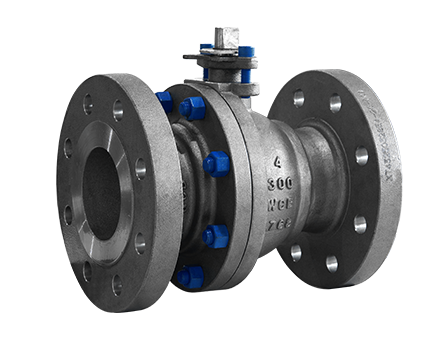
When Should You Use a Ball Valve?
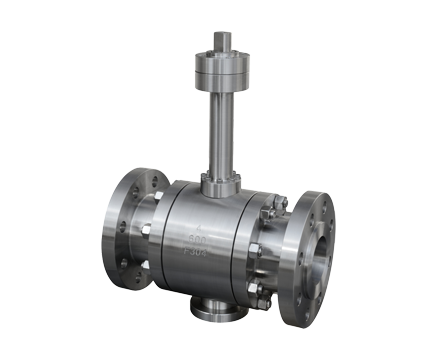
A ball valve is commonly used when fast operation, tight shut-off, and minimal leakage are required. Its quarter-turn design allows quick opening and closing, making it suitable for oil and gas, chemical processing, water treatment, and automation systems.
Key advantages include:
Excellent sealing performance
Low operating torque
Quick quarter-turn operation
Suitable for high-pressure and high-temperature applications
Low maintenance requirements
Many industries work with experienced ball valve suppliers to customize materials, pressure classes, and actuator configurations according to specific pipeline conditions.
However, ball valves are generally not recommended for applications requiring precise throttling because partial opening can cause seat wear and flow turbulence.
Why Choose a Gate Valve for Industrial Pipelines?
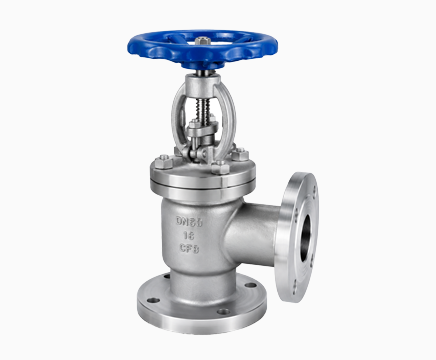
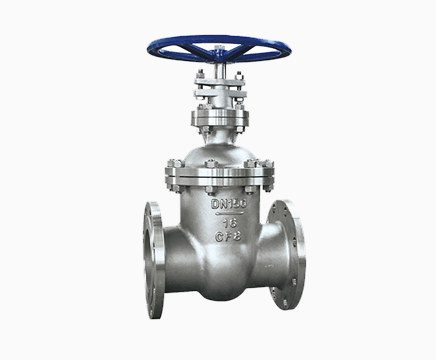
A gate valve is designed mainly for complete pipeline isolation rather than flow regulation. When fully open, the gate creates a straight flow path with minimal pressure loss, making it widely used in water distribution, power plants, and large industrial systems.
Advantages of gate valves include:
Very low pressure drop when fully open
Suitable for large pipeline systems
Strong isolation capability
Long service life under proper operating conditions
Gate valves should normally operate either fully open or fully closed. Using them for continuous throttling may damage the gate and sealing surfaces.
Are Butterfly Valves Suitable for Large Pipeline Systems?
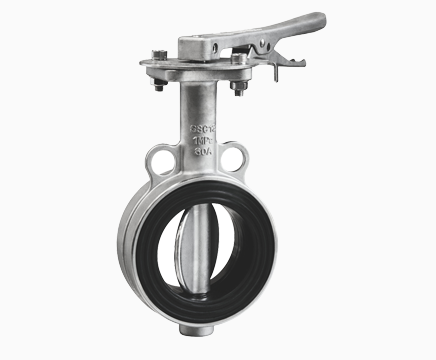
Yes. Butterfly valves are one of the most common choices for large-diameter pipelines because they provide reliable flow control with a compact and lightweight structure.
The butterfly valve type wafer design is especially popular because it fits between pipeline flanges, reducing installation space and overall system weight.
Benefits include:
Butterfly valves are widely applied in HVAC systems, water treatment facilities, chemical plants, and industrial process pipelines. For high-pressure or critical applications, engineers may select lug-type or high-performance butterfly valves instead.
Which Valve Has Better Flow Control Performance?
The answer depends on the control requirement.
For simple on/off operation: Ball valves provide excellent performance.
For pipeline isolation: Gate valves are usually the preferred choice.
For large-volume flow adjustment: Butterfly valves offer better cost efficiency.
For precise industrial flow regulation, dedicated control valves or automated valve systems may be more suitable than standard isolation valves.
Which Valve Is Better for High Pressure Applications?
Ball valves generally provide the strongest sealing performance for high-pressure applications, especially in systems requiring frequent operation. Gate valves can also handle high pressure effectively when used for isolation purposes.
Butterfly valves are suitable for many medium-pressure applications, but valve selection must consider pressure class, sealing material, temperature range, and pipeline media.
How Do I Choose the Right Valve for an Industrial Pipeline?
Consider these factors before selecting a valve:
1. Application Purpose
Determine whether the valve is needed for isolation, flow control, or emergency shut-off.
2. Pipeline Size and Pressure
Large-diameter pipelines often benefit from butterfly valves, while high-pressure systems may require ball valves or gate valves.
3. Operating Frequency
For frequent opening and closing cycles, ball valves usually provide better performance.
4. Media Characteristics
Corrosive chemicals, high-temperature fluids, and abrasive materials require suitable valve materials and sealing designs.
5. Automation Requirements
If remote operation is needed, consider actuator compatibility and control system integration.
Conclusion
Ball valves, gate valves, and butterfly valves each serve different industrial needs. Ball valves deliver excellent shut-off performance, gate valves provide dependable isolation, and butterfly valves offer efficient solutions for large-scale pipeline systems. Working with experienced valve manufacturers and suppliers helps ensure the selected valve meets safety, performance, and operational requirements.
FAQs
1. Is a ball valve better than a gate valve?
A ball valve is better for quick shut-off, frequent operation, and tight sealing. A gate valve is better for full pipeline isolation where low pressure loss is required.
2. Can a butterfly valve replace a gate valve?
In many large-diameter water and industrial pipelines, butterfly valves can replace gate valves due to their compact design and lower cost. However, the final choice depends on pressure requirements and application conditions.
3. What is the main disadvantage of a butterfly valve?
The main limitation of a butterfly valve is that the disc remains inside the flow path, which may create additional turbulence and make it less suitable for certain high-pressure applications.
4. Which valve is best for industrial applications?
There is no single best valve for all applications. Ball valves, gate valves, and butterfly valves each provide advantages depending on pipeline size, pressure, flow requirements, and operating conditions.
5. Why should industries work with professional ball valve suppliers?
Reliable ball valve suppliers provide proper material selection, engineering support, customization options, and quality assurance to ensure safe and efficient pipeline operation.